



It’s no secret that children spend less time outdoors than they used to. A recent study by the University of Exeter (funded by the Medical Research Council) found that one in three children do not play outside after school, and a fifth don’t play outdoors at the weekend. Factors such as increased screen time, limited green spaces, and safety concerns contribute to this decline. Yet outdoor play remains essential, offering lasting benefits for children’s physical, cognitive, social, and emotional development.
Whether in the garden, local parks, or community spaces, the environments where children play shape their growth in meaningful ways. From climbing on play equipment to simply rolling in the grass, outdoor experiences foster learning, creativity, and confidence, laying the foundation for a healthy, balanced life.
What Are the Benefits of Outdoor Play for Children?
Outdoor play is a vital part of every child’s life, offering countless opportunities for growth and discovery. From the earliest stages of infancy through to older childhood, outdoor play supports child development in unique and powerful ways. When children engage in outdoor play, they are not only having fun, they are also developing essential motor skills, improving coordination, and building strong social skills as they interact with others.
During early childhood, outdoor environments provide the perfect setting for children to explore, move, and learn about the world around them. These experiences are crucial for brain development, as children develop new skills and understanding through active play. Whether climbing, running, or simply observing nature, outdoor play helps children face new challenges, adapt to different situations, and gain confidence in their abilities. The importance of outdoor play cannot be overstated—it lays the foundation for a healthy, balanced, and fulfilling life, supporting children as they grow, learn, and thrive.
1. Constant Learning
The outdoor environment offers children rich learning opportunities that support key stages of development. It provides far more variety than even the most creative indoor setting, allowing children to explore the world within safe boundaries. Whether children play in natural, built, or social environments, each context contributes uniquely to their cognitive and language development.
Even simple outdoor moments, like playing on garden equipment, expose children to countless sights, sounds, and smells that stimulate the brain and strengthen language skills. These everyday interactions help children gradually understand their surroundings, learning through exploration and hands-on experience.
2. Creative Expression
While creativity can flourish indoors with play and craft opportunities, stepping outside expands imagination even further. Outdoor play allows children to express their feelings in a natural environment, supporting emotional development. Whether at the beach, in a forest, or in the garden, outdoor activities enhance problem-solving, role play, and artistic skills.
Teamwork and collaborative play outdoors also encourage children to share ideas and work together. Exposure to diverse opinions and cultural influences helps children learn from others, fostering creativity, a sense of belonging, and an appreciation for diversity.
3. Improved Health
Outdoor play offers numerous health benefits, from providing vitamin D and fresh air to supporting healthy growth from infancy onwards. It also encourages psychological wellbeing by making physical activity enjoyable and helping children develop motor skills, social interaction, and healthy habits early in life.
Even simple garden play equipment can foster positive associations with being active. For children with disabilities or those affected by trauma or environment, outdoor play is especially valuable. Without it, there are risks to health and development, making caregiver support crucial to encourage active, healthy lifestyles.
4. Social Development
Outdoor spaces, being less crowded and confined than indoors, can have a calming effect on children and support the development of social relationships. Adults play a key role in guiding and supporting children as they build social skills in these environments.
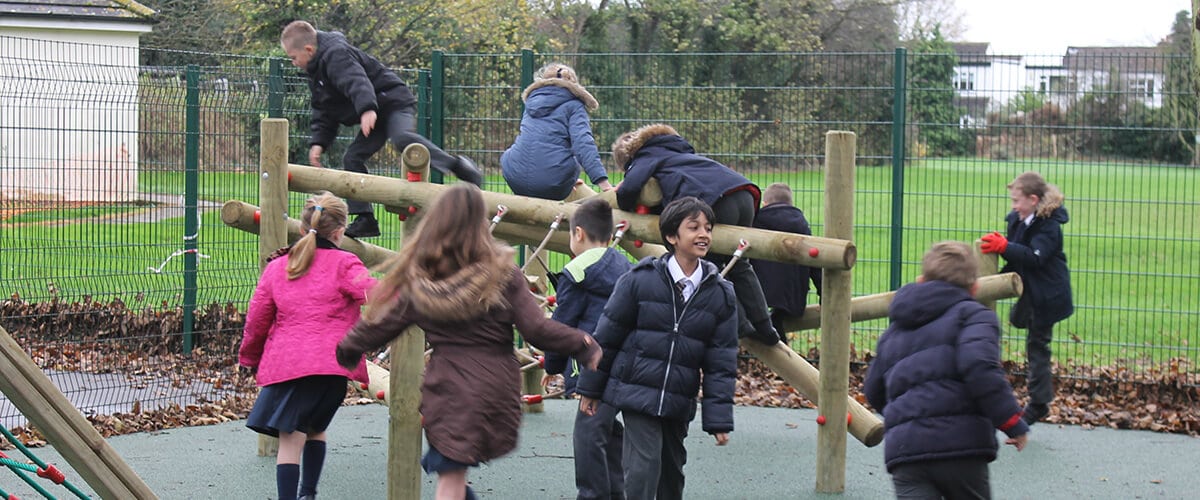
Playing outside, whether in small groups or larger teams, offers new social opportunities, from navigating a garden climbing frame to taking part in team sports. These activities develop teamwork, rule-following, motor skills, and creative thinking, while encouraging children and adults to respond to social cues and differences, fostering understanding and cooperation. School and educational settings further support social development, helping children communicate and thrive in diverse environments.
5. Growing Independence
Stepping outdoors not only fosters learning and creativity but also supports growing independence. Developing independence involves emotional, physical, and social growth, and when managed appropriately, this progression benefits both children and their parents or guardians.
The sense of space and new interactions in outdoor environments can be empowering. Children of all ages face different challenges as they gain independence, and even when closely supervised, being outdoors helps them build confidence and comfort as they explore the world for themselves.
6. Increased Exploration
Building on the previous point, one of the greatest benefits of outdoor play is the opportunity to explore. The environment itself shapes how children engage with and discover the world around them. Whether they’re interacting with nature, testing their skills in new settings, or navigating social dynamics in a larger space, outdoor play offers endless possibilities.
This makes it an ideal setting for combining play and learning, especially with the variety of playground equipment available in gardens, parks, and schools. A simple swing set, for instance, encourages children to explore movement and balance while having fun.
Nurturing Emotional Growth Through Outdoor Play
Outdoor play is a powerful tool for supporting children’s emotional development, offering a safe and stimulating environment where they can express themselves, explore their feelings, and develop empathy. For children with special educational needs (SEN), spending time outside can be especially beneficial, providing opportunities to take manageable risks, try new activities, and build resilience at their own pace.
Imaginative play, role-playing, and creative activities in outdoor settings help children process emotions, develop self-awareness, and strengthen their emotional intelligence. Regular outdoor experiences also boost self-confidence, foster a positive self-image, and encourage a sense of self-worth. Beyond individual growth, outdoor play offers a natural space for children to form friendships, navigate social interactions, and learn to manage emotions, making it an invaluable part of emotional learning for all children.
Overcoming Barriers to Outdoor Play
While the benefits of outdoor play are clear, many children today face challenges that limit their time outdoors. Excessive screen time, limited access to green spaces, and safety concerns can all make it harder for children to enjoy the benefits of outdoor play. However, there are practical ways to overcome these barriers and encourage children to spend more time outdoors. Parents and caregivers can set boundaries around screen use and prioritise outdoor activities as part of the daily routine.
Even small outdoor spaces, like a backyard or community garden, can be transformed into inviting play areas. Simple activities such as going for a walk, playing tag, or organizing a family picnic can make outdoor time fun and accessible. Communities can also play a role by creating safe, welcoming parks and playgrounds that give many children the chance to be active and social. By working together, families and communities can ensure that all children have the opportunity to experience the many benefits of outdoor play.
It’s clear to see that outdoor play is a cornerstone of child development, supporting children’s physical, emotional, and cognitive growth from infancy through the early years and beyond. By encouraging outdoor play, we help children develop strong brains, social skills, and emotional resilience, equipping them to face life’s challenges with confidence and joy. The importance of outdoor play cannot be overstated, it is essential for healthy brain development, building relationships, and fostering a sense of wellbeing.
By providing children with access to safe, engaging outdoor environments and supporting their interests, parents, caregivers, and educators can ensure that every child has the opportunity to thrive. Outdoor play is not only fun, but also a powerful way to support children’s development at every stage. By making outdoor play a priority in our daily lives, we help children build the skills, confidence, and love of learning they need to reach their full potential and enjoy a happy, healthy life.
So, if that’s got you thinking about all the benefits of outdoor play, why not take a look through some of the many exciting outdoor equipment pieces available at www.creativeplayuk.com