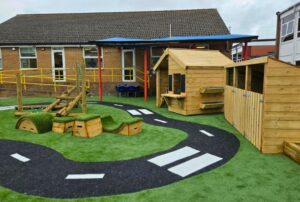
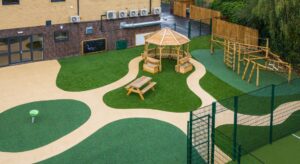
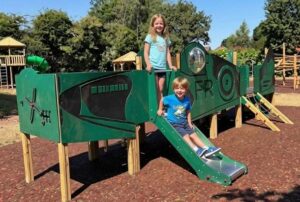

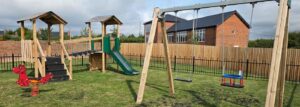

Outdoor playgrounds are vital community assets that support children’s physical, social, and emotional development. They provide safe, accessible spaces for children to play, explore, and socialise, while also offering parents and carers opportunities to connect with neighbours and strengthen community ties. Across the UK, many playgrounds, including those in schools, face pressure from ageing infrastructure, budget constraints, and competing priorities. The COVID-19 lockdowns highlighted their importance, as families quickly returned to parks and play areas once restrictions lifted.
Research from the Association of Play Industries (API) shows that well-designed playgrounds can act as community hubs, providing spaces for families to gather and for teenagers to have a place of their own. For local authorities, investing in playgrounds promotes public health, inclusion, and community cohesion, representing a long-term investment in healthier, more connected communities. The UK government also plays a crucial role in supporting and funding these essential outdoor environments for the benefit of young people.
Outdoor Play for Local Communities
Outdoor playgrounds are more than just places for children to burn off energy, they are vital spaces that nurture healthy development in every sense. By providing a dedicated space for kids to engage in various forms of outdoor play, playgrounds support physical activity, enhance motor skills, and encourage social interaction. These high quality play spaces are essential for children’s physical, emotional, and social development, helping to combat issues like childhood obesity and poor mental health.
The UK’s leading play industries, including the Association of Play Industries (API), consistently highlight the importance of outdoor playgrounds in fostering a welcoming environment where children can thrive. When local communities, schools, and local authorities prioritise outdoor play, they create opportunities for children to build confidence, develop crucial social skills, and experience a sense of belonging. Outdoor playgrounds offer a safe, inclusive setting for imaginative play, group activities, and the development of emotional intelligence, laying the foundation for lifelong well-being and resilience.
By investing in high quality play spaces, communities ensure that children have access to environments that support healthy development, social growth, and the joy of play. These playgrounds become central to the social fabric of local communities, providing a dedicated space where children can learn, grow, and build lasting friendships.
Supporting Children’s Physical Health
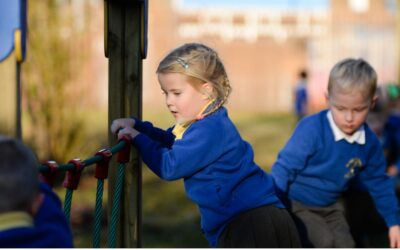
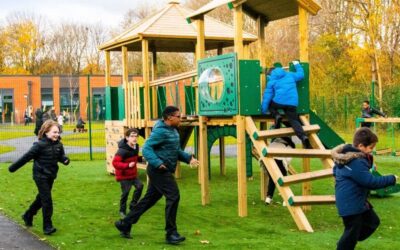
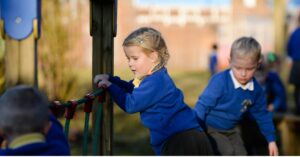
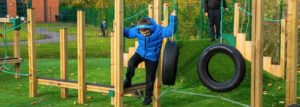
Playgrounds are essential in encouraging children to be physically active and supporting children’s physical health, helping address concerns over childhood obesity and inactivity across England. Outdoor play equipment, including various play structures such as climbing frames and slides, provides both structured and unstructured opportunities for movement, supporting cardiovascular health, coordination, strength, and bone development.
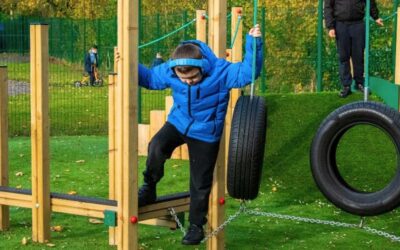
Different equipment develops specific skills: climbing frames strengthen core and upper-body muscles, running boosts endurance, swings and spinning equipment improve balance and spatial awareness, and jumping supports bone health. Play structures also facilitate imaginative play and social interaction, helping children develop creativity and essential social skills. Open play areas allow children to explore safely, take risks, and engage in imaginative play, building confidence and motor skills.
For families on a budget, playgrounds offer a free alternative to paid sports clubs and leisure activities, helping reduce inequalities in access to physical activity. Councils can further support investment by linking playground projects to local physical activity strategies, healthy weight initiatives, and active travel programmes. School playground facilities are especially important, as they promote physical activity and health among students, supporting both physical and mental wellbeing.
Supporting Mental Health and Wellbeing
Outdoor play also plays a vital role in children’s mental health. Reports from the Children’s Commissioner for England and NHS Digital highlight rising anxiety, loneliness, and emotional distress among children and teenagers. Spending time outdoors in fresh air and natural light improves mood, reduces stress, and provides a positive contrast to home or school environments. Outdoor playgrounds offer significant mental health benefits by supporting emotional regulation, resilience, and overall psychological wellbeing.
Unstructured play allows children to develop creativity, problem-solving skills, and emotional resilience. When children play in playgrounds, they learn emotional regulation and social skills through interaction and imaginative activities. Activities such as climbing, role-playing, and interacting with peers support cognitive development by stimulating problem-solving, creativity, and critical thinking. These play experiences contribute to the holistic development of children, nurturing their emotional, social, and mental wellbeing.
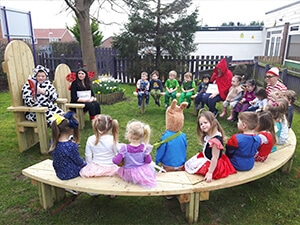
Playground design can further enhance wellbeing. Energetic equipment provides outlets for physical release, while quieter zones with seating or sensory features allow children to relax. Natural elements such as trees, planting, and wooden structures create calming open spaces that support sensory experiences and creativity. Playgrounds also stimulate imagination, encouraging kids play that fosters learning and creativity. When children invent games and stories, they generate new ideas, further enhancing their cognitive and creative growth.
By recognising these benefits, local authorities can frame investment in playgrounds as a preventative approach to improving children’s overall wellbeing and development.

Strengthening Social Skills and Community Connections
Playgrounds are more than spaces for physical activity—they are social hubs. In the playground setting, children learn crucial social skills while playing with other children, including sharing, cooperating, negotiating, and resolving conflicts. These interactions help children develop conflict resolution skills as they learn to negotiate and solve disagreements through shared play. The playground setting also provides a safe and inclusive environment for social development, helping children build relationships, communicate effectively, and interact positively with peers.
For adults, playgrounds provide opportunities to meet neighbours and form informal support networks. These communal spaces foster mutual support among community members, strengthening relationships and creating a sense of collective care. Increased footfall in busy public spaces also encourages natural surveillance, helping to deter antisocial behaviour and creating safer, more welcoming neighbourhoods.
Well-designed playgrounds support community cohesion by providing a neutral, accessible space where families from diverse backgrounds can come together, fostering a sense of belonging and pride.
Promoting Inclusive Play
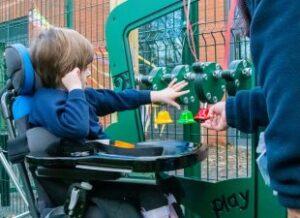
Inclusive playgrounds ensure that children of all abilities can participate in play, supporting councils’ obligations under the Equality Act 2010. Inclusive design considers the full play environment, including accessible pathways, safe surfacing, and equipment suitable for children with mobility, sensory, or cognitive needs. Creating a safe environment is essential so that every child can play freely and confidently, regardless of ability.
Examples of inclusive equipment include wheelchair-accessible roundabouts, high-back swings, basket swings, and ground-level sensory panels. Quiet areas for children with sensory sensitivities or autism provide calm spaces where they can engage safely. Adhering to safety standards in the selection of equipment and surfacing materials is crucial to ensure that inclusive playgrounds minimize the risk of injury for all users.
Engaging parent-carer forums, SEND teams, and disability groups during design ensures playgrounds meet the needs of the whole community. Inclusive play spaces demonstrate a commitment to accessibility and allow all children to enjoy outdoor recreation.
Playground Design and Safety
Thoughtful playground design is fundamental to maximising benefits. Well-planned layouts encourage children to engage in a variety of play, from imaginative adventures to cooperative group games, supporting physical, cognitive, and emotional development.
Safety is paramount. UK’s leading play companies adhere to rigorous standards, including the API’s professional code, and have a proven track record of quality. Their previous work demonstrates expertise and commitment to safety and quality standards, providing evidence through past projects and references. They use durable, non-toxic materials, safety surfacing to cushion falls, and equipment designed to minimise risk while still encouraging development of motor skills and spatial awareness.
Regular inspections and maintenance are essential to keep playgrounds safe.
Local authorities and community groups should monitor equipment, address wear and tear, and ensure playgrounds remain secure, often supported by specialist maintenance services. Inclusive features, such as accessible pathways and sensory play elements, further ensure all children can participate fully.
Incorporating diverse equipment enhances play value.
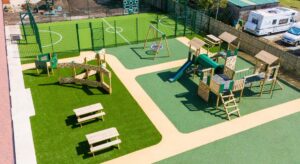
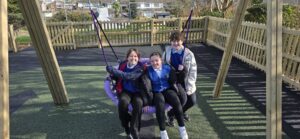
Multi-Use Games Areas (MUGAs) allow multiple groups to play football, hockey, basketball, and more with combi goals that cater to all. Colourful Springers keep younger children active, promoting balance and coordination. Basket Swings provide shared, dynamic play experiences that develop social skills while teaching concepts like gravity and momentum. Together, these features create inclusive, engaging playgrounds for children of all ages.
Supporting Local Regeneration
High-quality playgrounds also contribute to wider regeneration and place-making initiatives. Attractive, well-maintained play areas improve the appearance of parks and neighbourhoods, encouraging families to spend time in public spaces. Communities are more likely to take pride in areas that are cared for, increasing park usage and fostering engagement.
Playgrounds can also boost local economic activity. Families visiting play areas often spend time in nearby cafés, shops, and attractions. For coastal towns, heritage parks, or country parks, well-designed playgrounds attract visitors from wider areas, supporting local businesses and tourism. Durable materials, clear sightlines, and thoughtful landscaping make playgrounds feel safe and welcoming, ensuring they remain valuable community assets.
Delivering Long-Term Value
Although playgrounds require an initial investment, they provide long-term benefits, serving hundreds of families annually and remaining functional for over a decade. Spread across thousands of visits, they are a highly cost-effective public service.
Planning for whole-life costs including groundworks, surfacing, durable equipment, inspections, and maintenance is essential. Funding can be sourced from developer contributions, parish budgets, community grants, and partnerships, with specialist funding guidance available to maximise support.
Evidence of impact, such as usage data and safety records, helps justify investment. Regular maintenance protects playgrounds and ensures they continue to benefit the community for years.
Outdoor playgrounds are far more than recreational spaces, they are essential community assets that support children’s health, development, and wellbeing. Investing in safe, inclusive, and well-designed playgrounds enhances physical activity, mental health, social skills, and community cohesion.
For local authorities and community groups, these investments deliver measurable long-term value while fostering vibrant, resilient neighbourhoods. By prioritising outdoor play, communities ensure that children have spaces to grow, explore, and build friendships, while adults benefit from strengthened connections and a greater sense of belonging.
Unsure how to improve or transform your playground on a budget? Call us today on 01244 375627 or email [email protected] to speak with one of our friendly advisors. For further information about playground projects or our services, please get in touch.