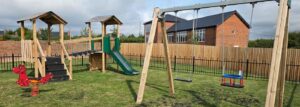
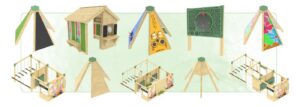
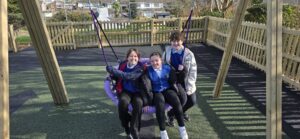

Schools often focus on academics, but playtime is just as important for a child’s growth and wellbeing. Beyond fun, it helps children stay active, build friendships, develop social and problem-solving skills, and explore their creativity, supporting physical, cognitive, and emotional development. At Creative Play, we create playgrounds that inspire learning, imagination, and resilience. Read on to discover why playtime is essential for every child and how the right play spaces can help them thrive.
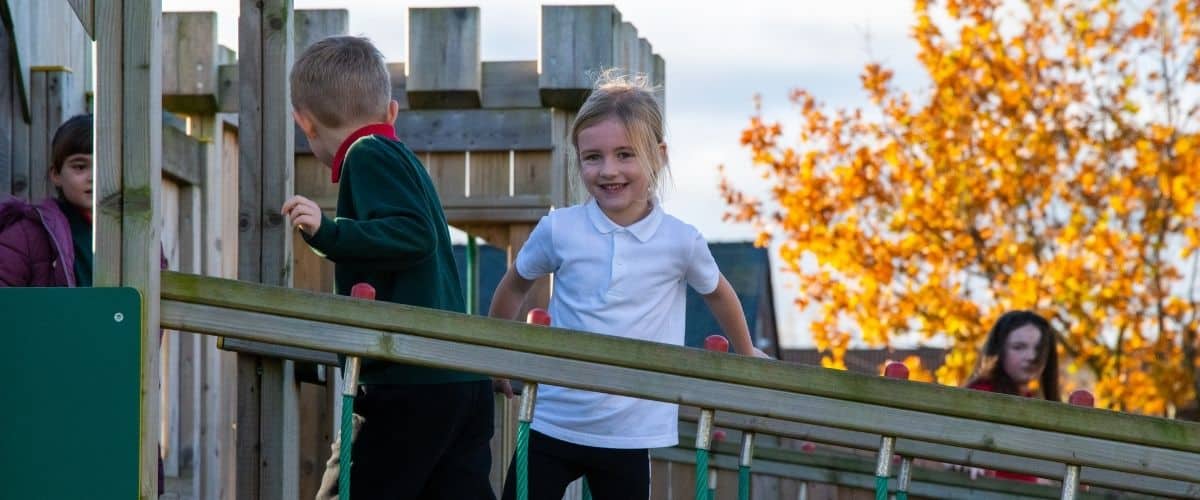
Creative Play Has Over 30 Years of Experience
We like to think of ourselves as playground experts, with over 30 years of experience designing fun, imaginative play equipment for schools, local authorities, and the leisure and hospitality sector. Since 1991, our products have been adding exciting flourishes that inspire children of all ages to explore, create and play, encouraging them to develop and experiment with new ideas during play, and helping kids engage in educational and developmental activities that support learning, socialisation, and skill-building.
Every design is shaped through a careful and considered process, with BS EN safety standards firmly at the heart of everything we do. Alongside delivering high-quality play value, our designers are committed to inclusivity and a strong green ethos, ensuring our play spaces are not only engaging but sustainable too.
Children Need Movement and Unstructured Play
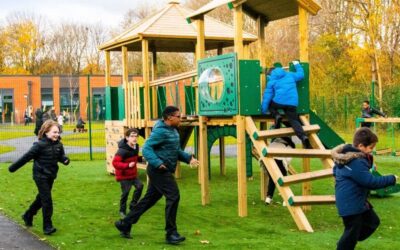
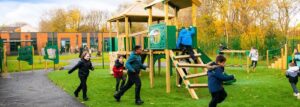
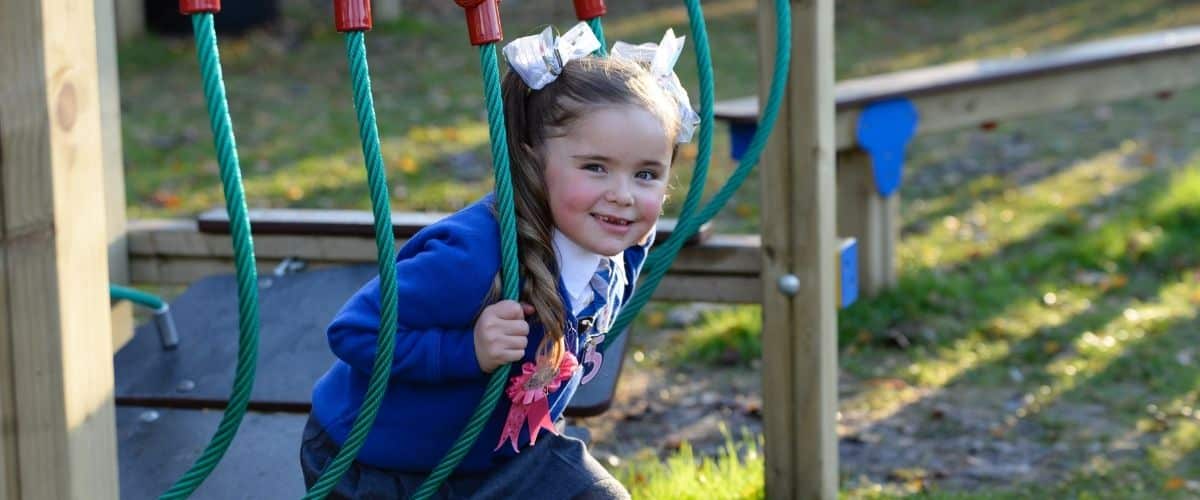
Kids need regular opportunities to move, explore, and play freely. Unstructured play encourages creativity and self-direction, while structured games teach cooperation and social skills. Both are important for problem-solving, teamwork, and adapting to new situations, as play often introduces new challenges that help children grow. Playtime also gives children the chance to unwind, reset, and enjoy being active in a natural, joyful way.
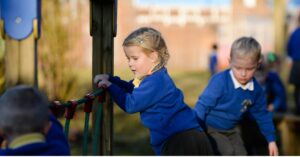
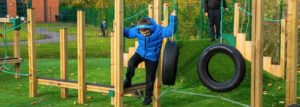
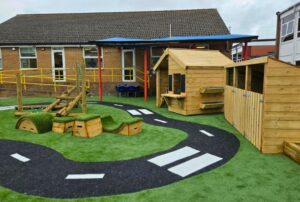
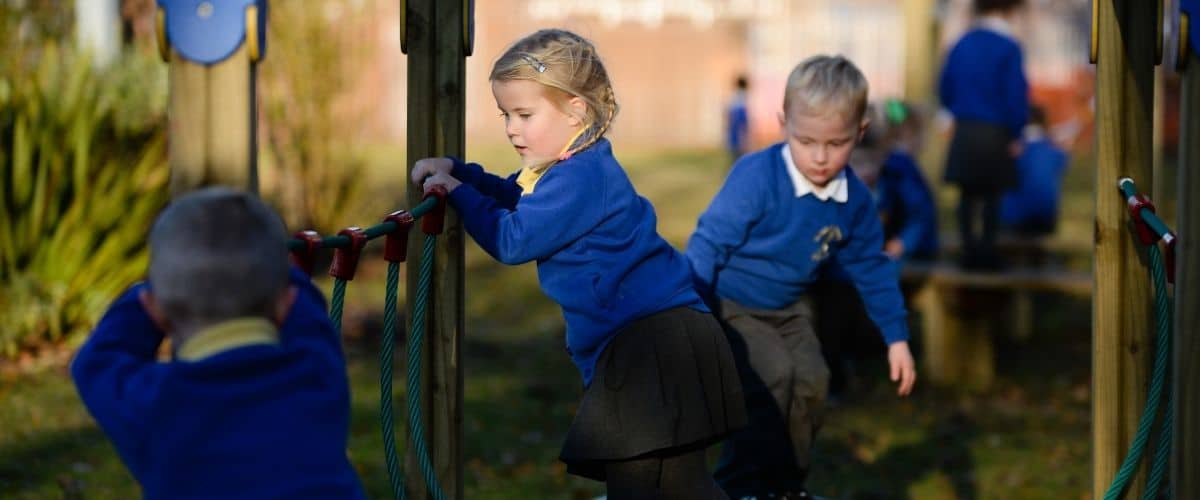
Incorporating equipment like obstacle courses and balance beams supports movement, balance, and coordination, offering children engaging ways to develop motor skills and confidence.
Play Reinforces Learning
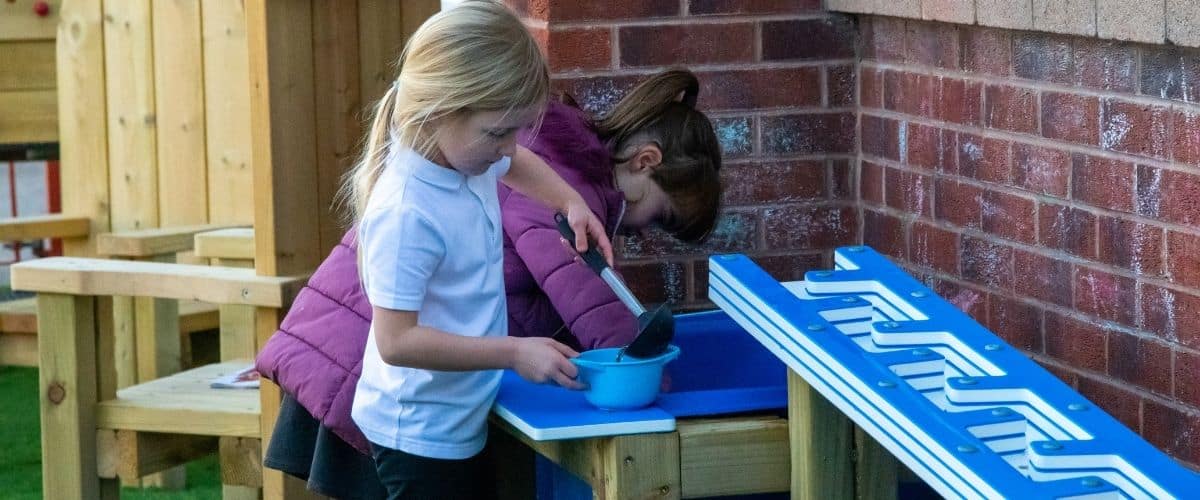
Breaks and active play improve classroom attention and give children experiences that enrich learning (e.g., mathematical concepts through physical activities like mud kitchens). Active play does more than burn off energy, it actually reinforces learning. Regular breaks and opportunities for hands-on, physical play help children return to the classroom more focused and ready to absorb new information.
Play experiences can also bring lessons to life, allowing children to explore concepts in practical, memorable ways, for example, counting, measuring, and problem-solving through activities, such as building den’s. By linking movement and imagination with learning, play becomes a vital part of a child’s educational journey. The power of role play, in particular, transforms learning by helping children build confidence and understand social roles, making play an essential force in their development.
Social Skills Develop at Playtime
The playground plays a vital role in children’s development, offering experiences that cannot be replicated in structured lessons. Through play, children build friendships and learn to communicate, negotiate, solve problems, and develop independence and resilience.
However, playtime in schools is increasingly under pressure. Evidence shows that breaktimes have reduced significantly over recent decades, with young children in England now receiving around 23 minutes less playtime each day than in the mid-1990s. Driven by academic pressures and accountability demands, play is often seen as secondary to classroom learning, reducing valuable opportunities for movement, social interaction, and unstructured play that support children’s wellbeing and learning.
Enhancing Every Child’s Experience
Playtime interventions are essential for making sure every child can enjoy and benefit from the playground. They provide a safe space for active, imaginative, and pretend play, helping children develop skills that go far beyond fun.
These activities support:
- Physical development: fine and gross motor skills like climbing, running, balancing, and manipulating objects
- Creativity and imagination: pretend play, role play, and open-ended exploration
- Language and communication: sharing ideas, storytelling, and peer interaction
- Emotional growth: confidence, resilience, and problem-solving
By offering diverse play opportunities, and ensuring the right equipment and a variety of playground equipment are available, adults help children grow, learn, and thrive.
Promoting Imaginative Playground Design
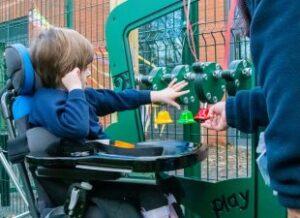
Incorporating musical instruments into outdoor play areas sparks creativity and imaginative play. Drums, xylophones, and chimes invite children to explore sound, rhythm, and movement, turning the playground into a space for self-expression and discovery. Musical play also supports cognitive and social development as children collaborate, listen, and create together.
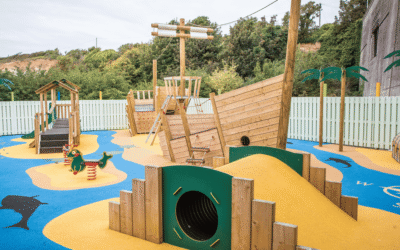
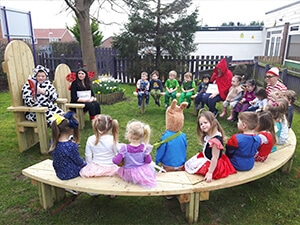
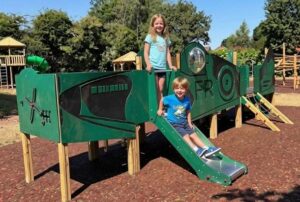
Themed imaginative play areas, like pirate ships or Playtown setups with engraved Playtec panels featuring banks, cafés, and doctors’ offices invite children to act out a variety of scenarios. As they explore these different roles, they boost creativity, develop cognitive and social skills, and strengthen communication, numeracy, and problem-solving abilities. These interactive environments turn playtime into a rich learning experience, where imagination and skill-building go hand in hand.
Maximising Play Areas with Limited Space
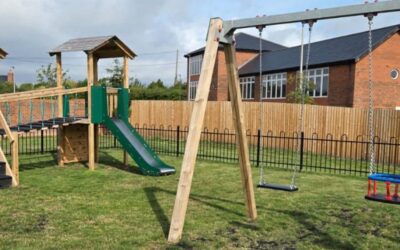
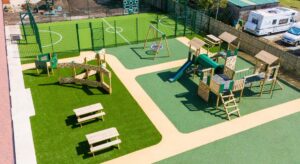
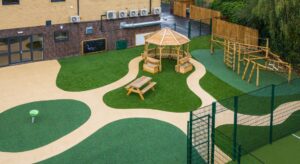
Even with limited outdoor space, it’s possible to create a vibrant and engaging play area that supports children’s development. The key is to choose versatile, space-saving outdoor play equipment that offers multiple play opportunities in a compact footprint. Multi-activity stations, compact climbing frames, and modular play equipment can transform small play areas into dynamic spaces for physical activity, social interaction, and cognitive development.
Incorporating natural features, such as plants, trees, and water flow adds sensory play experiences and a sense of wonder, encouraging children to explore and connect with their environment. Flexible solutions, like movable equipment or modular designs, allow schools to adapt their play areas as needs change, ensuring that every inch of space is used to its fullest potential. With thoughtful planning, even the smallest playground can become a fun, creative, and inspiring place for children to play and grow.
Creating Inspiring Play Spaces with Creative Play
With over 30 years of experience, Creative Play designs imaginative, safe, and inclusive playgrounds for schools, local authorities, and leisure spaces. Our process includes:
- Initial Consultation: We start with a conversation to understand your needs and vision
- Site Visit & Assessment: A free on-site visit to assess your space and discuss opportunities
- Tailored Design & Quotation: We produce bespoke 2D/3D designs and costings based on your brief
- Presentation & Feedback: We present your proposal, gather feedback, and refine as needed
- UK-Based Manufacturing: Your equipment is made to order in our Chester based workshop
- Installation: Bringing play spaces to life with durable, engaging equipment, installed by our dedicated team and verified through an independent post-installation inspection
Our playgrounds include adventure trails, dens, imaginative zones where children can create their own worlds through themed play areas, sensory equipment, and open-ended resources. Teachers report improved behaviour, confidence, and social interaction as children explore, collaborate, and play across age groups.
It is important to maintain and care for new equipment to ensure safety and longevity.
Making Play a Priority
In today’s busy world, play can easily be overlooked. Yet research shows that safe, supportive outdoor spaces help children learn, develop skills, and build confidence. Simple changes like extra playground time, varied equipment, and sensory play can make a big difference. Prioritising play supports emotional, social, and physical development, fostering independence, creativity, and a lifelong love of learning.
Want help developing a fun outdoor learning space? Contact a Creative Play outdoor play expert today!