


Since around 2020, playgrounds have evolved from optional extras into essential features within modern housing developments, supporting sales performance, enhancing perceived value, and contributing to long-term community wellbeing. For UK housing developers, well-designed playgrounds now form a key part of effective placemaking.
Incorporating a neighbourhood playground can increase a scheme’s appeal, helping attract family buyers and support stronger sales rates. Developments that prioritise accessible outdoor play spaces often see greater interest from purchasers seeking lifestyle-focused environments.
Beyond commercial benefits, playgrounds help create healthier, more connected communities. They provide informal gathering spaces, encourage physical activity, and contribute to safer environments through public playgrounds.
Why Playgrounds Belong in Modern Housing Developments
In today’s market, buyers and renters increasingly expect high-quality outdoor spaces to be integrated into residential schemes as standard. While local planning policies and the National Planning Policy Framework (NPPF) often require provision of open space, forward-thinking developers are going further by using playgrounds as central placemaking features.
Family buyers and young professionals consistently rank access to outdoor space and child-friendly environments among the most important factors when choosing a home. The shift in lifestyle following the COVID-19 pandemic has reinforced demand for accessible, local outdoor play spaces within walking distance of home. Families, remote workers, and older residents all place greater value on environments that support time outdoors, social interaction, and wellbeing, enhancing the overall appeal of public playgrounds.
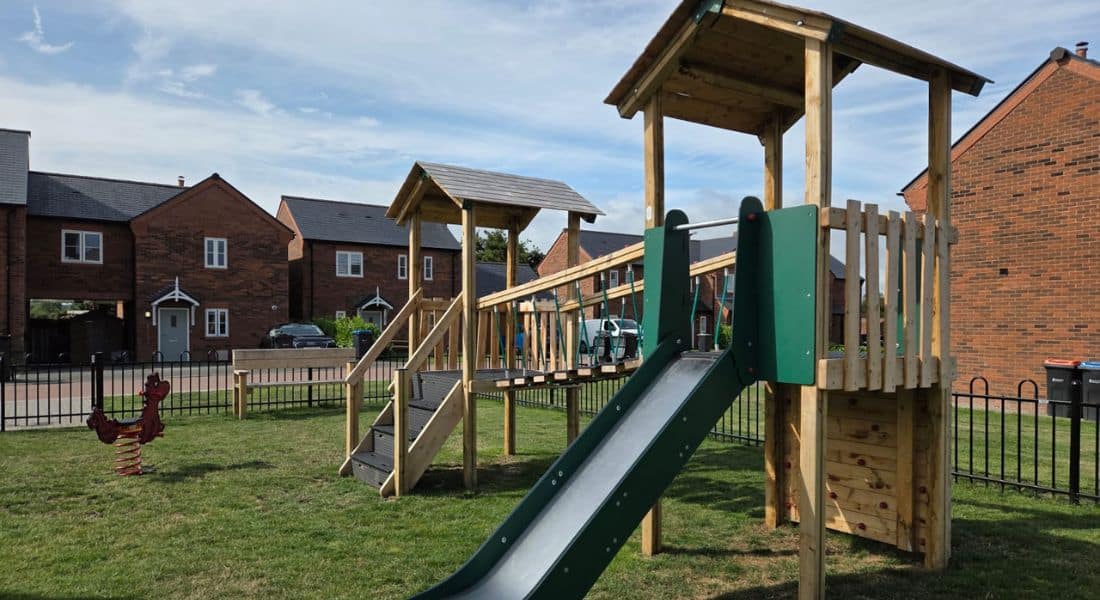
The Benefits of Playgrounds for Your Housing Development
1. Strengthens Communities
Playgrounds often act as a “third place” within residential developments, they are informal spaces where residents naturally come together. Parents, grandparents, and children can meet, interact, and build stronger neighbourhood connections.
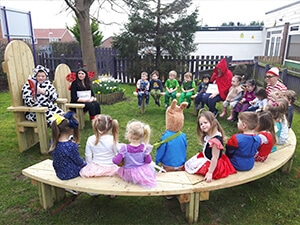
These shared spaces can become focal points for everyday life, supporting everything from casual weekend meetups to seasonal events, while helping to create a more welcoming, family-friendly environment.
Well-used and overlooked play areas also contribute to a greater sense of safety. Increased footfall and visibility support natural surveillance, helping to reduce antisocial behaviour and improve overall resident satisfaction.
2. Enhances Appeal and Perceived Value
Access to attractive, well-maintained green space is consistently linked to increased buyer interest and provides more value to property owners. In competitive markets, developments that include amenities such as playgrounds and communal outdoor areas often stand out more strongly.
Research shows that homes closer to public parks, gardens, and playgrounds are more expensive than those further away, indicating that having a play area within a development can result in higher profit margins for developers.
For housebuilders, this can translate into:
- Faster sales rates
- Greater buyer interest in early phases
- Stronger long-term desirability
In multi-unit schemes, family-friendly amenities can also support rental demand and tenant retention.
While exact value uplift varies by location, the presence of high-quality play provision is widely recognised as a factor that enhances perceived value and marketability.
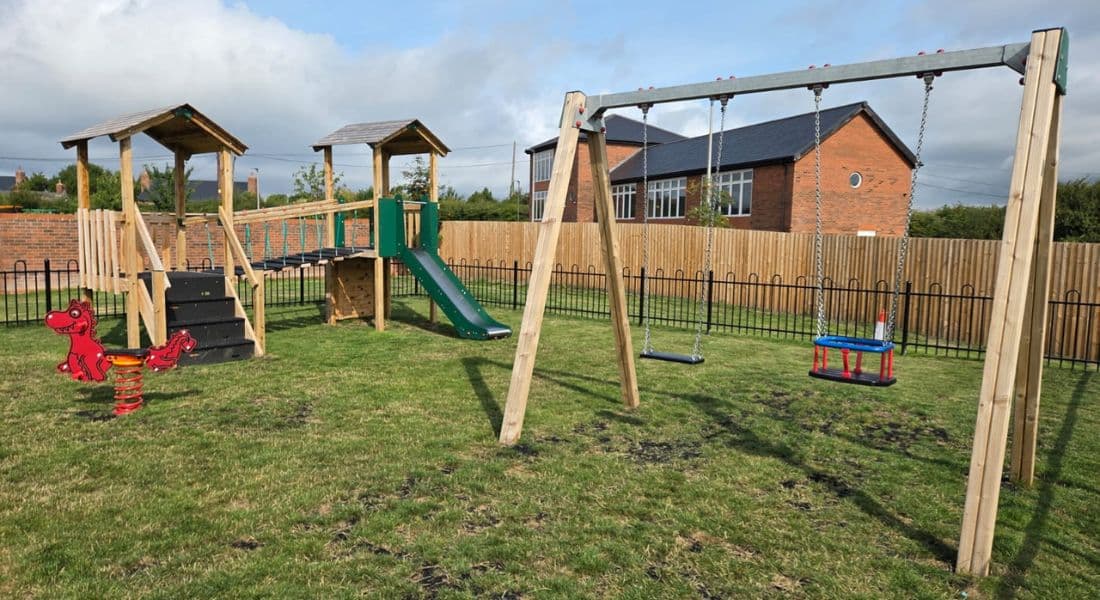
3. Provides a Family-Friendly Environment
For families with young children, especially young families, access to safe and convenient outdoor play space for kids is often a key consideration when choosing where to live. A centrally located playground within a short walking distance of homes provides a practical and attractive solution.
Visible, well-designed play areas signal that a development has been planned with families in mind and support child development by offering opportunities for physical activity, social interaction, and learning. Playgrounds provide vital spaces for children to express themselves freely, take risks in a safe environment, and build self-confidence, all of which contribute to a family-friendly atmosphere. This not only supports purchasing decisions but also encourages positive word-of-mouth among residents.
Family-oriented environments typically experience longer tenancies and greater residential stability, contributing to a more established and cohesive community over time.
4. Promotes Physical and Mental Health and Wellness
Playgrounds make a direct contribution to physical and mental wellbeing across all age groups. For children, they provide essential opportunities for active play, supporting strength, coordination, social development, and emotional resilience.
Features such as climbing structures, swings, and open space encourage regular movement, helping children meet activity guidelines and reducing risks associated with inactivity, including childhood obesity. Access to play spaces is also linked to improved mental wellbeing and lower stress levels, while supporting social interaction and the development of communication skills.
For older children, teenagers, and adults, adjacent features such as walking routes, outdoor fitness equipment, or carefully planned commercial playground equipment for venues can extend these benefits further, encouraging active lifestyles and creating more inclusive, multi-generational environments.
Playground Equipment for UK Housing Developments
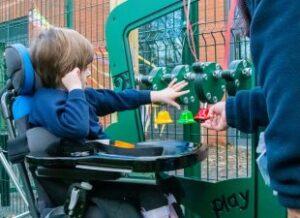
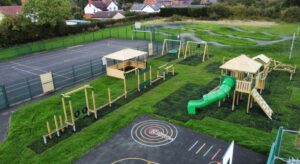
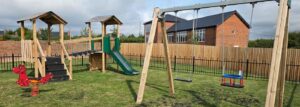
No two developments are the same, so playground design should reflect the site, its residents, and long-term management needs. Inclusive, accessible design should be considered from the outset, with expert guidance helping ensure the space is safe, engaging, and suitable for all users.
Our team works collaboratively with clients to design, install, and maintain bespoke play spaces, encouraging early input and idea-sharing to shape creative, context-specific solutions. Where appropriate, involving the local community in the design process can help build a sense of ownership and ensure the final space reflects local needs.
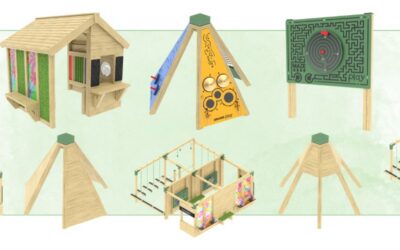
Creative Play offers tailored solutions for different age groups and community requirements, including a wide range of freestanding outdoor playground equipment and inclusive and accessible equipment designed to support shared use across abilities.
Early Years Play (Ages 2–5)
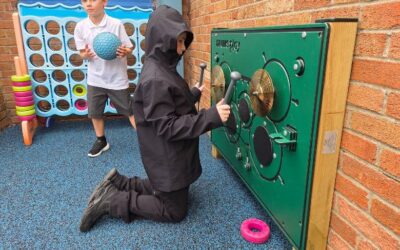
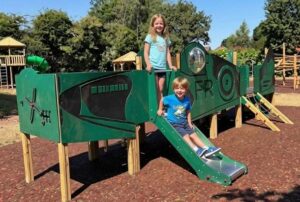
Play areas for younger children should be located close to homes, with clear visibility for supervision. Equipment typically includes low-level platforms, slides, springers, and sensory play features that encourage children to explore their environment and have fun.
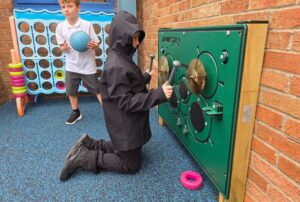
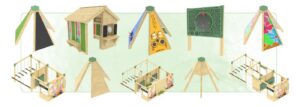
For example, a well-designed early years play area might feature a themed sensory garden with interactive panels and musical elements, similar to those highlighted in our guide to school playground equipment, providing a fun and engaging space where children can safely explore and develop their senses.
Safety surfacing, seating, shade, and secure boundaries are important considerations, particularly in higher-density schemes.
Junior Play (Ages 5–12)
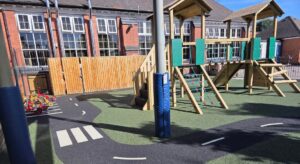
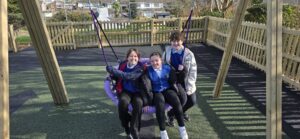
This age group, including older kids, benefits from more challenging and varied equipment, such as climbing frames, net structures, balance elements, and slides that present both physical and emotional challenges, many of which are considered core items in guidance on what equipment should be in a playground.
Well-designed play spaces help children achieve important developmental milestones by encouraging them to overcome challenges, build resilience, and develop confidence. Designs should accommodate a range of abilities, allowing children of different ages to play together. Durable materials and robust construction are key to minimising long-term maintenance.
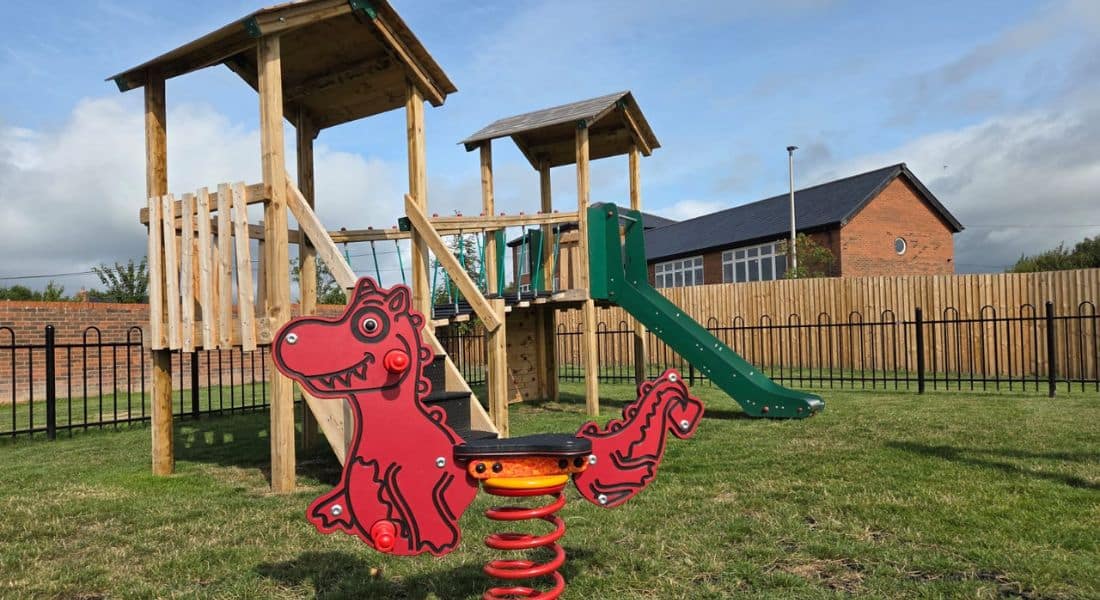
Designing a Playground That Works
Successful playgrounds are the result of early planning and careful integration into the wider development, highlighting the importance of thoughtful playground design principles in fostering community engagement and well-being. For example, a well-designed playground in a new housing estate can serve as a central hub for residents, supporting community recovery and encouraging social interaction among families.
Understand Your Residents
Demographic insights are key. Consider the proportion of families, age ranges, and lifestyle preferences when designing play provision. Reviewing sector-specific playground equipment brochures can help match solutions to these needs. Including a neighbourhood playground tailored to your community’s needs ensures the space is well-used, supports social interaction, and delivers maximum value.
Prioritise Safety and Compliance
All play areas should comply with relevant UK standards, including BS EN 1176 and 1177. Safety surfacing, appropriate fall zones, and clear zoning between age groups are essential.
Accessibility should also be a priority, supporting inclusive use for children and carers with varying needs.
Choose the Right Location
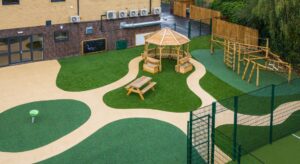
Playgrounds should be easily accessible, typically within a short walking distance of most homes. Positioning them in visible, overlooked areas helps encourage use and improve safety through natural surveillance. They should also be integrated with other green spaces or pedestrian routes where possible, a consideration that is particularly important in dense urban settings.
Creative Play works with house builders and housing associations to deliver durable, engaging play areas that enhance communities, support resident wellbeing, and add long-term value to developments. Speak to one of our Outdoor Play Advisors to discuss your project or get in touch via email or telephone: [email protected] | 01244 375 627