
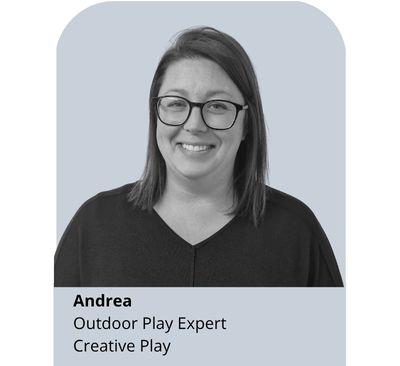
Outdoor Play Expert Andrea explains what vestibular input is, how different types of movement provide it, and what to look for when choosing playground equipment.
Vestibular input plays an important role in how children experience movement, balance and their position in space. Activities such as swinging, rocking, spinning, climbing and balancing provide different types of movement for vestibular input. Alongside visual and proprioceptive information, these experiences help children develop coordination and awareness of how their bodies move.
When planning a playground around vestibular input, it helps to consider the different types of movement children can experience and whether the equipment provides enough variety.
Creative Play asked their Outdoor Play Expert Andrea to share her insights on the equipment that provides the most effective types of vestibular input – from swings and spinners to climbing frames, balance equipment and bouncing activities.
What Is Vestibular Input?
“The vestibular system is located in the inner ear and provides the brain with information about head movement, balance and the body’s position in relation to gravity” explains Andrea. “When children swing, rock, spin, climb, balance or bounce, they experience different types of movement that provide vestibular input”.
Opportunities for controlled movement can be particularly valuable to child physical development, helping improve their ability to process sensory information, coordinate movement, and feel more secure in their environment.
Andrea emphasises the importance in recognising that “not all children respond to movement in the same way, which is particularly relevant when providing for children with SEN (Special Educational Needs)”.
“Vestibular activities can help children feel calmer, more focused, and better equipped to engage in learning, play, and everyday tasks. But they don’t all respond to movement in the same way. Some want to swing, spin and bounce repeatedly, while others might find this overwhelming. That’s why there isn’t really a single piece of play equipment that covers all requirements – a whole range of experiences needs to be provided so individual children can find what works best for them”.
When planning a playground, the aim is therefore not to find one “vestibular” product, but to consider whether children have access to a varied range of movement experiences.
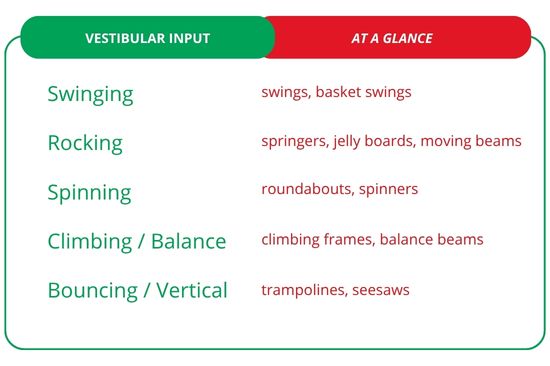
Linear Movement – Swinging
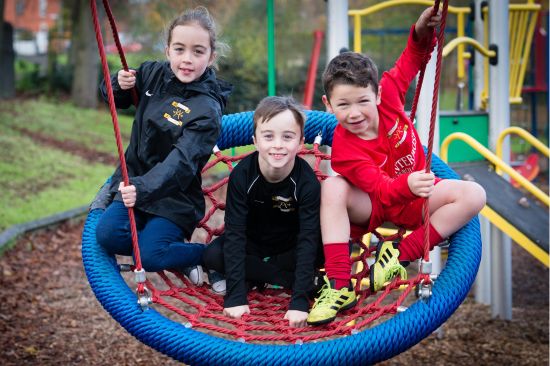
Linear motion provides vestibular input through changes in speed and movement along a path, making swings a straightforward way to introduce this type of participation.
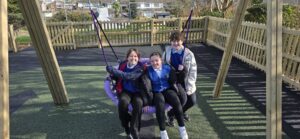
“Swinging gives children that repeated, rhythmic movement, and the experience can range from very gentle to very energetic” says Andrea. “Depending on the speed and intensity, this back-and-forth motion can have either a calming effect, helping children relax and self-regulate, or provide an alerting sensory input that increases attention and engagement. The important thing is that they can experience the movement at a level that suits them”.
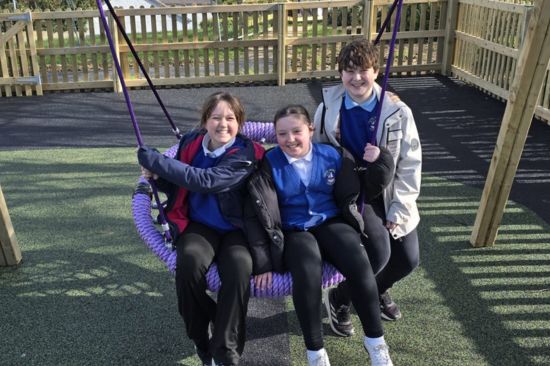
For children who aren’t comfortable on a traditional swing, basket swings can provide a greater feeling of support.
When Planning: Look for opportunities for children to control the speed and intensity of movement, with options ranging from gentle rhythmic swinging to more energetic movement.
Dynamic Balance – Rocking
Springers, jelly boards, moving beams and other rocking platforms provide the vestibular challenge of travelling through space in more than one direction, making children adjust their body position to maintain balance.
“With rocking motions, children learn how their body needs to react in different situations, responding to movement by making constant small adjustments to remain stable. As they tilt and shift their weight, they also make continuous postural adjustments to stay balanced, bringing vestibular and proprioceptive information together” adds Andrea.
When Planning: Look for equipment that asks children to respond to changes in movement and position, particularly where balance and postural control are part of the challenge.
Rotational Movement – Spinning
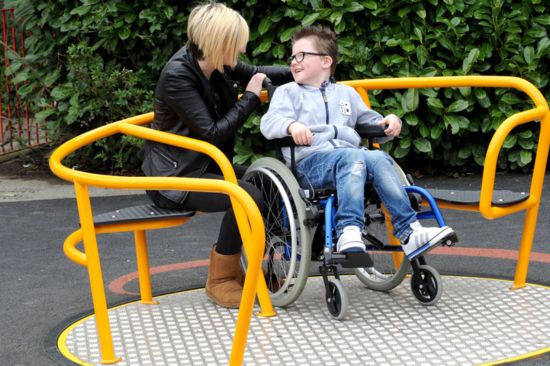
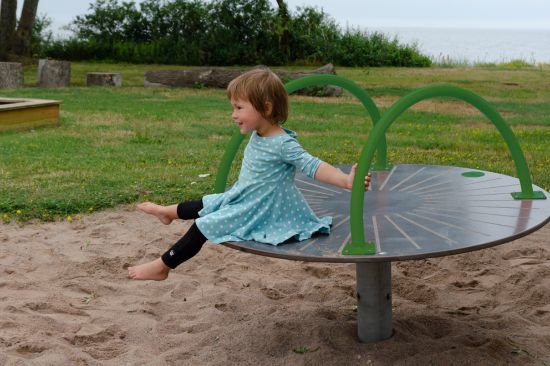
Roundabouts and other spinning equipment provide rotational vestibular input through changes in head movement and orientation.
“This helps the brain process changes in direction, improve spatial awareness, and develop more efficient movement planning and coordination” explains Andrea. “Spinning provides a distinct form of vestibular input because it gives the brain continuous information about changes in movement, direction and orientation”.
“As with all vestibular experiences, different children respond differently. Some will seek out spinning and want to do it repeatedly, while others may prefer to watch or try something much gentler. That’s why providing choice to accommodate all sensory needs is important when planning”.
When Planning: Look for opportunities for rotational movement, while recognising that some children may seek out spinning and others may find it uncomfortable.
Changing Body Position – Climbing And Balancing
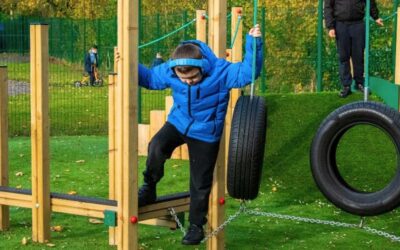
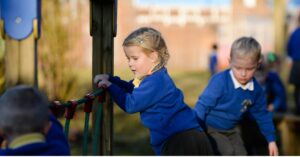
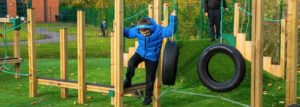
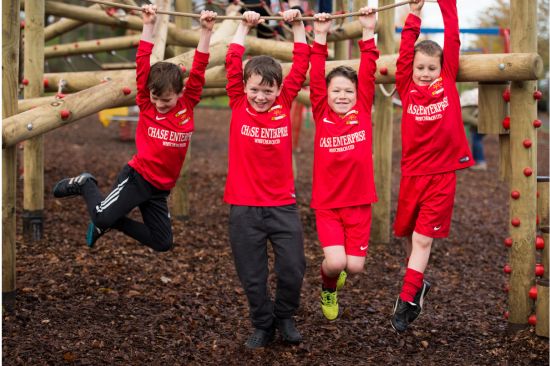
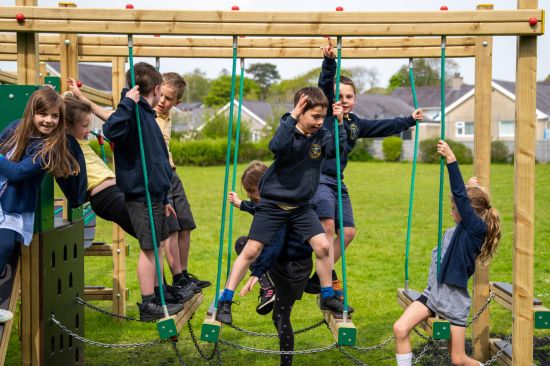
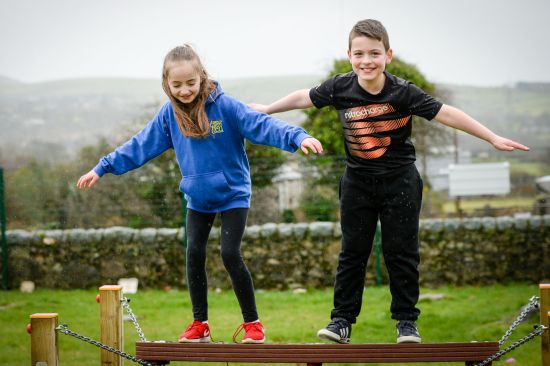
“Play equipment based on climbing and balancing, which requires changing levels and head position by reaching and stepping, provides children with a variety of movement experiences. The vestibular system works alongside vision and proprioception to help them respond to these changes and maintain their balance” explains Andrea.
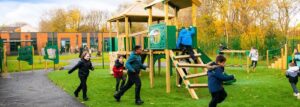
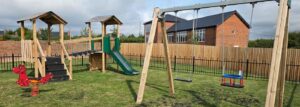
Jigsaw towers, jungle climbers, climbing frames and adventure trails all offer these opportunities, while balance beams, stepping logs and stilts provide more focused challenges.
“When a child climbs a tower, balances across a clatterbridge and then comes back down, they’re continually adjusting their position and responding to movement. The vestibular system is working alongside other other sensory systems, including proprioception, to help the child understand what’s happening with their body and how to respond”.

This mix of sensory information is part of what makes climbing and balancing such rich physical activities, providing opportunities to develop coordination, body awareness, balance and motor planning through a combination of vestibular and proprioceptive input.
When Planning: Look for opportunities to climb, step, balance and move between different levels, with equipment that challenges children to adjust their body position and maintain stability as they move.
Vertical Movement – Jumping And Bouncing
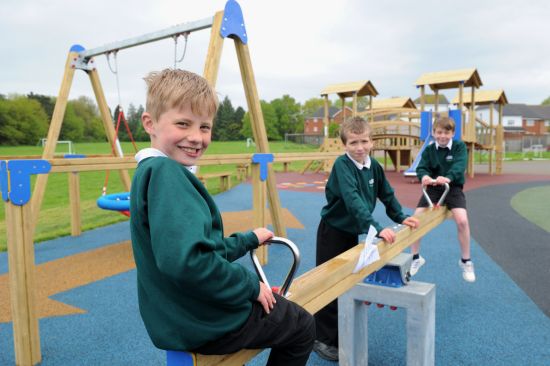
Repeated up-and-down movement provides another form of vestibular input, particularly through changes in vertical acceleration. Trampolines are a clear example, while see-saws combine movement with changes in balance, position and weight distribution.
“This gives children yet another, very different, movement experience. Trampolines are incredible because they allow children to generate the movement themselves by jumping, a thrilling sensation for children who really enjoy energetic physical activity” says Andrea. “And with a see-saw, there’s also the interaction with another child, having to coordinate their movements and respond to changes in weight and position, combining movement with a social aspect.”
Jumping and bouncing also provide feedback through the muscles and joints, bringing proprioceptive input into the benefits alongside vestibular
stimulation. Together, these movement experiences give children opportunities to develop body awareness, coordination and balance while experiencing different types of sensory input.
When Planning: Look for opportunities for repeated vertical movement, from gentle bouncing to more energetic jumping, as well as activities that combine movement with balance and coordination.
Which Play Equipment Is Best For Your Playground?
“There isn’t a single piece of play equipment that provides every type of vestibular movement. Instead, the most useful approach is to consider the range of movement available across the whole playground. Look at how many different opportunities there are for children to move. Can they swing? Can they rock? Is there somewhere they can spin? Can they climb and balance? Is there an opportunity for vertical movement?” asks Andrea.
From a single piece of equipment to a complete playground, the way movement is incorporated into the design can make a significant difference to the range of physical and sensory experiences available to children.
If you’re planning a new playground or considering additions to an existing one, an Outdoor Play Expert can help you look at the movement opportunities already available, identify where there may be gaps, and explore equipment that could add different types of movement to your outdoor play space.